Home cooking becomes much easier when you stop expecting the same ingredients to perform equally well all year.
A tomato that tastes fantastic during its natural growing season may inspire an entire meal, while the same recipe can feel strangely flat when the main ingredient is disappointing.
That is where seasonal cooking becomes useful.
Understanding how seasonal ingredients can improve everyday home cooking is not about following a strict agricultural calendar or refusing anything grown outside your region.
It simply means paying attention to what is naturally abundant, appealing, and available at different times of the year.
Seasonality also changes from place to place. Climate, rainfall, altitude, farming methods, and local supply all affect what is available at a particular moment. USDA guidance, for example, notes that seasonal availability can vary according to local weather and region.
Instead of treating this as another food rule, use seasonality as inspiration. It can simplify shopping, introduce variety, reduce waste, and make familiar meals more interesting without requiring advanced cooking skills.
1. Let Seasonal Produce Decide Part of the Menu
Many people plan meals backward.
They choose a recipe first and then search for every ingredient, regardless of whether those ingredients currently look good, cost more than usual, or are difficult to find.
Try starting with the produce instead.
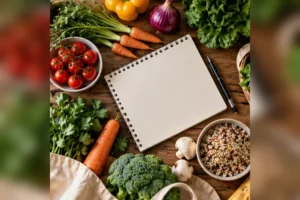
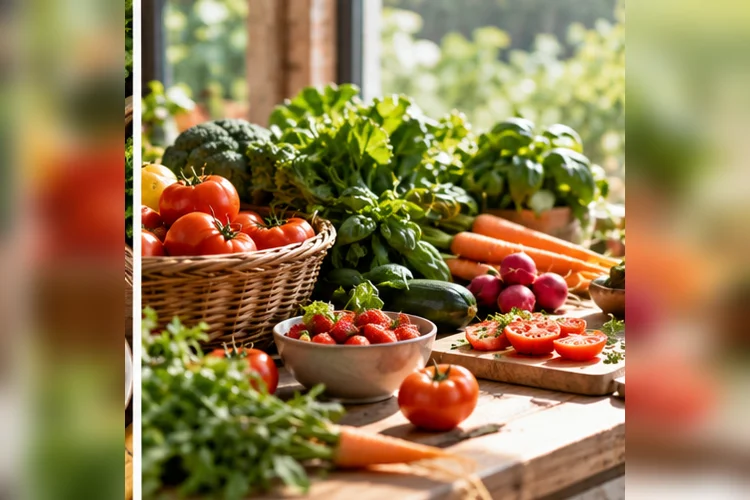
Walk through the market or produce section and notice what is abundant. When tomatoes, zucchini, corn, leafy greens, mangoes, citrus, pumpkins, or other ingredients suddenly appear everywhere, let one of them shape the week’s meals.
USDA seasonal guidance explains that produce in season is growing under conditions suited to that crop and may reach consumers fresh and ripe, though the exact seasonal window varies by location.
This method creates natural variety.
Instead of forcing yourself to invent different menus every week, changing seasonal availablity gives you new ingredients automatically.
2. Use Simple Cooking When Ingredients Taste Good
Seasonal cooking often works best when you do less.
If tomatoes are particularly flavorful, they may need little more than olive oil, herbs, salt, and something acidic. Fresh corn can become a quick side dish instead of disappearing inside a complicated casserole.
When an ingredient already has strong flavor, simple techniques make sense.
Roasting can concentrate sweetness. Grilling can add smokiness. Quick sautéing keeps many vegetables crisp, while steaming can preserve delicate flavors.
You do not need to become a professional chef.
The skill is learning when an ingredient needs transformation and when it simply needs good preperation.
This can also make weekday cooking faster. Instead of using ten ingredients to make one vegetable interesting, you may only need three or four supporting flavors.
3. Create Variety by Rotating Seasonal Ingredients
Seasonal eating is one of the easiest ways to prevent routine meals from becoming boring.
Your basic meal formula does not need to change.
A grain bowl might use tomatoes and cucumbers during one period, roasted squash later, and leafy vegetables during another season. Pasta can shift from fresh vegetables and herbs to mushrooms or richer roasted produce as availability changes.
USDA MyPlate encourages eating a variety of vegetables across different subgroups rather than relying on the same few options repeatedly. Fresh, frozen, canned, dried, raw, and cooked vegetables can all contribute.
This is an important distinction.
Seasonal cooking does not mean abandoning frozen or canned vegetables when fresh options are limited. Those foods can provide flexibility between shopping trips, and MyPlate specifically recognizes multiple forms of vegetables as useful parts of the diet.
Use fresh seasonal food as the changing feature rather than the entire foundation.
4. Build Meals Around Ingredient Families
Buying seasonal produce becomes less useful if each ingredient has only one destination.
Choose ingredients that can move between meals.
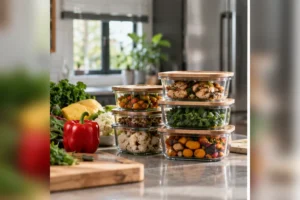
A large batch of zucchini might appear in pasta tonight, eggs tomorrow, and a vegetable soup later. Tomatoes can become salad, sauce, sandwiches, or a topping for grains.
This approach allows you to buy what looks good without creating unnecessary pressure to follow a specific recipe every night.
Think in ingredient families rather than isolated dishes.
Leafy vegetables can move into stir-fries, soups, eggs, curries, and salads. Root vegetables can be roasted, mashed, blended, or added to stews.
A consistant pantry of grains, pasta, beans, spices, oils, and sauces then gives seasonal ingredients somewhere useful to go.
That is much more flexible than buying fifteen unrelated ingredients for fifteen unrelated recipes.
5. Learn Basic Storage for Fresh Produce
Buying fresh seasonal produce only helps if you can use it before it spoils.
Different fruits and vegetables need different storage conditions.
EPA guidance notes that many vegetables that wilt easily are better kept in higher-humidity refrigerator drawers, while many fruits and produce that tend to rot perform better in lower-humidity storage.
It also warns that ethylene-producing fruits can accelerate ripening and spoilage in nearby produce.
Some foods prefer other conditions.
EPA guidance suggests storing items such as onions, garlic, potatoes, and winter squash in suitable cool, dry, or dark conditions rather than treating every vegetable exactly the same.
Food safety matters too.
The FDA recommends keeping perishable produce such as leafy vegetables, herbs, mushrooms, and berries refrigerated at 40°F/4°C or below, and keeping pre-cut produce refrigerated.
A few minutes spent learning storage can give seasonal ingredients several extra useful days.
6. Buy the Amount Your Week Can Actually Handle
Abundant produce can make overbuying tempting.
A beautiful market display can easily convince you that you need three kilograms of something when your household realistically eats one.
Buy for your schedule.
If you are traveling later in the week or have several meals outside the home, reduce the amount of highly perishable food you purchase.
The EPA recommends buying quantities you expect to use, planning meals before shopping, and storing fruits and vegetables properly to extend freshness and reduce food waste.
This does not mean avoiding good deals.
If seasonal produce is abundant and inexpensive, decide what you will do with the extra quantity before buying it.
Some can be cooked immediately. Some may be frozen, preserved, or turned into sauces.
A large purchase becomes useful when it has a plan.
7. Preserve Seasonal Flavour for Later
One advantage of seasonal abundance is the opportunity to save some of it.
Freezing is often the simplest method.
Fruit can be frozen for smoothies or desserts. Cooked tomato sauce can become an easy future dinner. Herbs can sometimes be frozen in practical portions, while excess vegetables may work in soups or cooked dishes later.
The EPA specifically recommends freezing, pickling, dehydrating, canning, or otherwise preserving surplus fruits and vegetables, particularly when seasonal produce is abundant.
Preservation also gives your freezer more variety.
Instead of freezing six identical complete meals, you can freeze ingredients and sauces that become part of different dishes later.
The important point is planning.
Label what you freeze and include the date. Without a simple system, preserved seasonal food can easily disappear into the back of the freezer until nobody remembers what it is.
8. Handle Fresh Produce Safely
Seasonal and locally sourced foods still need normal food-safety practices.
The FDA recommends washing fresh produce thoroughly under running water before preparing or eating it. Soap, detergent, and commercial produce washes are not recommended for washing fruits and vegetables.
Wash your hands before preparation and cut away damaged or bruised areas.
Fresh produce that will be eaten raw should also be kept separate from raw meat, poultry, seafood, and equipment that has touched them.
Do not assume that something from a farmers’ market, garden, or local farm requires less care.
Freshness and food safety are separate issues.
Simple habits – clean hands, clean surfaces, correct refrigeration, and careful separation – allow you to enjoy seasonal ingredients without introducing unnecessary risk.
9. Use Seasonal Cooking as Inspiration, Not a Restriction
There is no reason every ingredient in a meal must be seasonal.
Olive oil, rice, dried spices, pasta, canned tomatoes, beans, frozen vegetables, and other pantry foods are part of what makes home cooking practical.
Seasonal ingredients work best as rotating highlights.
Perhaps this month’s meals use fresh mangoes, tomatoes, or leafy greens because they are particularly appealing. Later, another ingredient takes their place.
This keeps the system flexible.
It also avoids turning seasonal eating into another perfectionist food rule.
If the best option today is frozen vegetables, use them. MyPlate explicitly recognizes fresh, frozen, canned, and dried vegetables as valid choices.
The goal is not purity.
It is becoming more aware of what is available around you and letting that awareness make your cooking more varied and flavourfull.
Seasonal ingredients can improve everyday home cooking because they give your meals a natural source of variety and inspiration.
Instead of repeatedly planning around the same produce, you can let changing availability influence what gets roasted, sautéed, blended, grilled, or served fresh.
Keep the system practical.
Buy amounts that fit your schedule, learn how different produce should be stored, use ingredients across several meals, and preserve surplus when it makes sense.
Seasonal food should complement pantry staples, frozen foods, and other convenient ingredients – not replace them completely.
Start with one ingredient this week.
Choose something currently abundant where you live and find three different ways to use it. That simple exercise can make home cooking feel fresher without making it more complicated.